


Stel je droomfiets samen
Elektrische fietsen

De KOGA Kimera racefietsen worden niet meer geproduceerd. De laatste modellen worden nog in sommige winkels verkocht. Wees er dus snel bij.

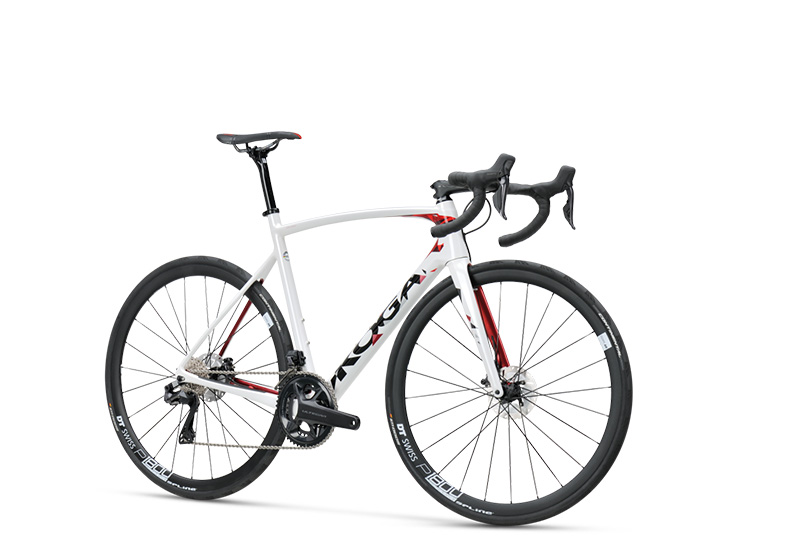
De KOGA Kimera staat bekend om zijn technologie en snelheid. De Kimera’s zijn fietsen voor wie als prof of liefhebber de weg op wil. Door de nieuwste technieken van Shimano en SRAM, heb je een zeer complete racefiets te pakken. De combinatie met het topframe maakt de Kimera fietsen sneller en lichter. Deze racefietsen zijn licht van gewicht, hebben een zeer stijf carbon frame en zijn hoogwaardig afgewerkt.
De KOGA Kimera-serie bestaat uit verschillende modellen. De Kimera’s zijn geschikt voor elk parcours door de vele versnellingen. Hierdoor kun je met de Kimera overal uit de voeten. Met deze modellen ben je geruisloos over de weg, waardoor je extra van de omgeving en de rust kan genieten.


Let op: Bijna uitverkocht
Let op: Bijna uitverkocht

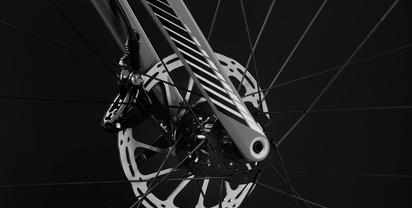
Alle Kimera’s zijn uitgerust met schijfremmen. Per model zijn er wel andere schijfremmen en technologieën gebruikt, maar de schijfremmen bieden stabiele remprestaties in alle weersomstandigheden. De hydraulische Shimano schijfremmen zijn de schijfremmen voor de Kimera Pro, Premium en de Premium BEAT. Deze remschijven bieden meer remkracht. Voor de Kimera Prime worden de SRAM Force eTap hydraulische schijfremmen gebruikt, die zorgen voor meer controle en betrouwbare stopkracht onder alle omstandigheden.
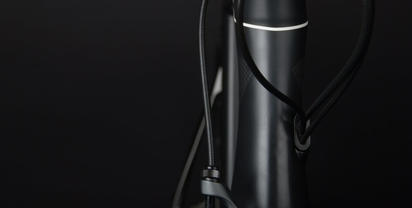
Bij de Kimera’s kozen we ervoor om de kabels door de framebuizen te laten lopen, waardoor ze beter beschermd zijn tegen weersinvloeden. De geïntegreerde kabels zorgen ervoor dat de fiets helemaal aerodynamisch is, maar bovenal straalt het ook meer design uit. Bovendien is de fiets gemakkelijker schoon te houden en ziet het er veel strakker en mooier uit.
De wielen zijn voorzien van steekassen. De steekassen zorgen voor meer stijfheid en stabiliteit.

Alle Kimera’s zijn uitgerust met schijfremmen. Per model zijn er wel andere schijfremmen en technologieën gebruikt, maar de schijfremmen bieden stabiele remprestaties in alle weersomstandigheden. De hydraulische Shimano schijfremmen zijn de schijfremmen voor de Kimera Pro, Premium en de Premium BEAT. Deze remschijven bieden meer remkracht. Voor de Kimera Prime worden de SRAM Force eTap hydraulische schijfremmen gebruikt, die zorgen voor meer controle en betrouwbare stopkracht onder alle omstandigheden.

Bij de Kimera’s kozen we ervoor om de kabels door de framebuizen te laten lopen, waardoor ze beter beschermd zijn tegen weersinvloeden. De geïntegreerde kabels zorgen ervoor dat de fiets helemaal aerodynamisch is, maar bovenal straalt het ook meer design uit. Bovendien is de fiets gemakkelijker schoon te houden en ziet het er veel strakker en mooier uit.

De wielen zijn voorzien van steekassen. De steekassen zorgen voor meer stijfheid en stabiliteit.
Bij KOGA wordt de framehoogte gemeten van center bracketas tot bovenkant zitbuis. Dit aantal centimeters dient als framemaat. Jouw erkende KOGA-dealer kan precies opmeten welke framemaat het beste bij je past.
Wij hebben binnen Nederland, België, Duitsland, Verenigd Koninkrijk, Denemarken, Polen en Zwitserland een partnernetwerk. Binnen deze landen is niet of in enkele gevallen deels mogelijk om rechtstreeks bij ons te bestellen.
Hier lees je de actuele garantievoorwaarden van KOGA.
Het regelmatig schoonmaken van een ketting is noodzakelijk. Gebruik daarvoor een speciale kettingreiniger of lauw water en een borstel. Je KOGA-dealer kan ook hulpmiddelen adviseren.
Het is belangrijk om na het reinigen de ketting te smeren. Teflon trekt bijvoorbeeld goed in de ketting en is een smeermiddel dat niet veel vuil aantrekt.
KOGA kiest voor elk type fiets de meest ideale geometrie. Een vergelijkende testrit bij de KOGA-dealer laat de klant het verschil voelen.
Wij hebben binnen Nederland, België, Duitsland, Verenigd Koninkrijk, Denemarken, Polen en Zwitserland een partnernetwerk. Binnen deze landen is niet of in enkele gevallen deels mogelijk om rechtstreeks bij ons te bestellen.
Bij je KOGA fiets krijg je geen standaard onderhoudsbeurten. Die service valt namelijk onder de KOGA-dealer, die bepaalt of en hoeveel onderhoudsbeurten je krijgt bij de aanschaf van je fiets.
Voor onderhoud en veiligheid van je fiets kun je een aantal aandachtspunten zelf in de gaten houden.
Check voor je eigen veiligheid de volgende zaken regelmatig:
Het zelf controleren en onderhouden van deze aandachtspunten kan lastig zijn. Daarom raadt KOGA aan om voor een onderhoudsbeurt minstens 1 keer per jaar naar de KOGA-dealer te gaan.
Raadpleeg ook het instructieboekje van je fiets.